Florida law doesn't require a home seller to have their septic system inspected before closing. No statute forces it, no county health department mandates it, and nothing on the standard disclosure form asks a seller to prove the drainfield still works. That's the plain reading of Florida Statute 381.0065, and it puts Florida in different company than states like Virginia, which began requiring point-of-sale septic inspections in 2025, or North Carolina, which has required them since 2008.
Walk that fact into a closing on a well-and-septic property in western Davie, though, and it stops being useful. The inspection happens anyway. It just happens on a schedule nobody wrote into the contract, and that gap between what the law demands and what the loan demands is where Davie's acreage deals actually get complicated.
The corridor where this question even comes up
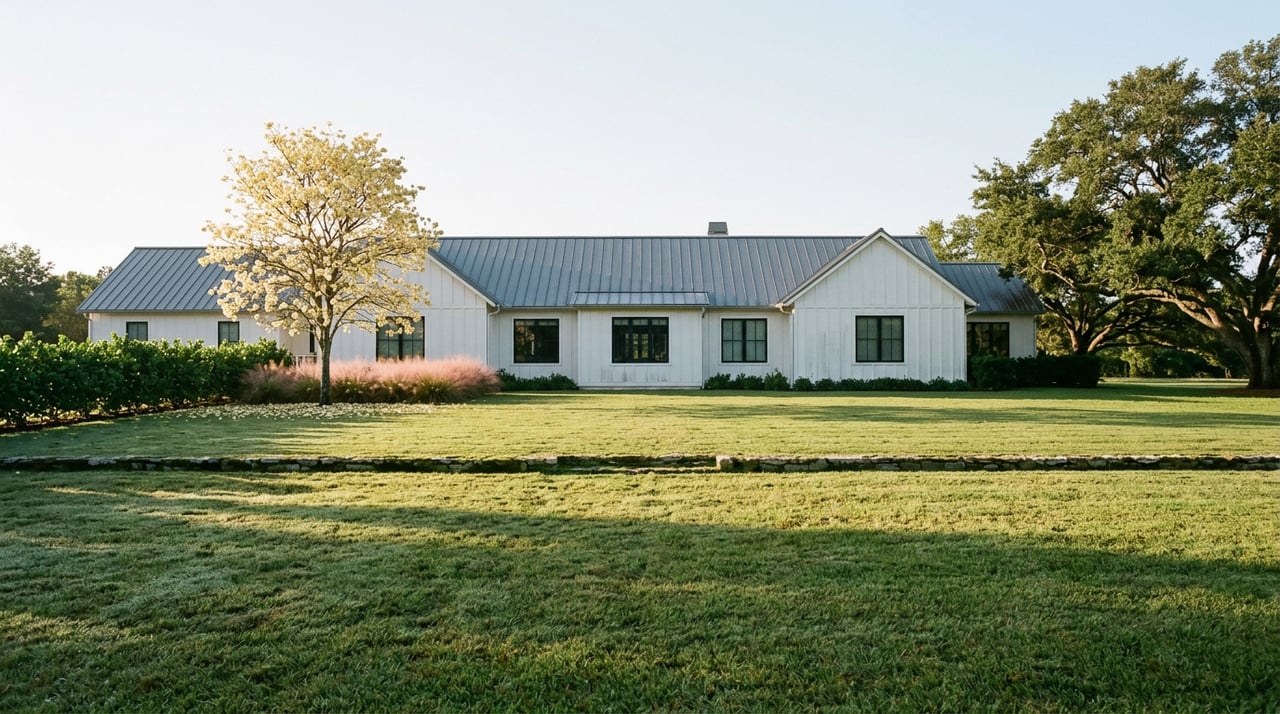
Most of Davie doesn't have to think about septic at all. East of the older agricultural boundary, homes tie into either Town of Davie Utilities or the City of Sunrise Utilities service area, and a sale moves the way any suburban sale does. The question only matters on the western acreage side, generally under the town's A-1 agricultural zoning, where the Davie Land Development Code allows one principal dwelling per acre, permits horses and accessory structures, and where public sewer lines simply never reached. That's the corridor holding Long Lake Ranches, Hawkes Bluff, Imagination Farms, Flamingo Gardens, and Ivanhoe Estates. It's also the reason the town created a Western Theme District, first adopted in 1990 and reenacted in 2019, with architectural standards written specifically to preserve the area's agricultural and equestrian character.
That zoning history explains why these properties still run on private well and septic decades after the rest of Davie connected to municipal service. It doesn't explain why sellers assume the sale process is simpler because of it.
Why the inspection happens even though no rule requires it
Florida's septic regulations run through the Department of Health at the county level, with permitting, site evaluations, and construction inspections handled by whichever agency has jurisdiction. None of that machinery activates automatically when a home changes hands. What activates instead is underwriting.
Lenders and insurers have effectively replaced the state mandate with their own. FHA and VA loans in particular routinely require a septic inspection before the file clears, not because Florida law says so but because the loan program's own collateral standards do. A conventional lender may ask for the same thing if the appraiser flags an aging system. Insurance carriers, facing a market where four-point inspections are already standard on older Florida homes, treat undocumented septic and well systems the same way they treat undocumented electrical panels: as underwriting risk that needs paperwork before it gets priced.
So the septic inspection still happens. It just happens because a loan officer or an underwriter asked for it, on their timeline, not because a buyer built it into the contract from day one.
The absence of a mandate isn't the absence of an inspection. It just means nobody agreed in advance on when it happens.
Where that timing gap actually bites
Florida's standard residential contract typically gives a buyer ten to fifteen days from the contract's effective date to complete inspections and decide whether to move forward, renegotiate, or walk. That window is built around a general home inspector's scope: roof, electrical, plumbing, structure. It was never designed with a rural well-and-septic parcel in mind, and it usually isn't the window a lender's septic requirement runs on.
Here's the practical version of that mismatch. A buyer on a Long Lake Ranches or Imagination Farms property completes their general inspection inside the standard period, finds nothing alarming in the house itself, and lets the inspection contingency expire. Weeks later, during underwriting, the lender requires a septic and well certification the buyer never separately ordered. If that certification turns up a failing drainfield or a well that doesn't meet setback standards, the buyer is negotiating repairs or price from a much weaker position than they would have had inside the original inspection period, because the clock that actually protected them has already run out.
The setback issue is its own trap on older acreage parcels. Florida requires a minimum of 75 feet between any part of a septic system and a private drinking water well, and 200 feet from a public well. Systems installed decades ago, before current lot lines or well locations existed, don't always meet that distance. A survey pulled late in the process, after repair credits are harder to negotiate, is a worse time to discover it than before the property ever goes on the market.
| Zoning District | Typical Lot Size | Utility Service | Livestock / Horses |
|---|---|---|---|
| A-1 (Agricultural) | 1 acre minimum | Private well and septic, western corridor | Permitted under zoning, subject to setbacks |
| RS-1 / RS-2 / RS-3 | Standard single-family lots | Town of Davie Utilities or City of Sunrise Utilities | Generally not permitted |
Zoning is only half the answer, though. A deed restriction or an HOA covenant inside a gated section can prohibit what the zoning code allows, so a parcel that qualifies for horses under A-1 can still be barred from keeping them by its own community rules.
What actually protects a seller here
The sellers who avoid the late-stage scramble are the ones who order their own septic and well inspection before listing, not after an offer arrives. A standard real estate transaction inspection typically runs $350 to $600 in 2026, a small cost against a deal that stalls during underwriting. Pair that with permit records for any barn, arena, fencing, or septic work done on the property, since a Davie buyer's lender will eventually ask for exactly that documentation anyway.
Sellers on legacy acreage should also know what a septic-to-sewer conversion actually costs when a buyer or appraiser raises it as a condition. A local plumbing contractor working the corridor recently replaced corroded cast iron drain lines under a 1968 ranch home near Tree Tops Park, and completed a water main tap on a Long Lake Ranches estate that required a long lateral run because of the property's distance from the nearest main. Those aren't abstract line items. They're the real cost range a buyer's financing team will price into an offer once a septic or well issue surfaces, and knowing that range before it comes up in negotiation is worth more than finding out during it.
For a fuller rundown of what documentation a Davie equestrian sale should have ready, including manure management practices and HOA architectural approvals for barns and fencing, our team put together a complete equestrian property guide that walks through exactly what buyers verify before they commit.
FAQ
Does Florida require a septic inspection before selling a home? No. Florida Statute 381.0065 sets the state's septic regulations but does not mandate an inspection at the point of sale. Lenders, particularly on FHA and VA loans, frequently require one anyway as part of underwriting.
How do I know if my Davie property is on well and septic or public sewer? It depends on the address. Western Davie's acreage corridor, generally under A-1 zoning, typically runs on private well and septic, while much of the rest of town connects to either Town of Davie Utilities or the City of Sunrise Utilities service area. Confirming which provider serves a specific parcel is worth doing before listing or making an offer.
How close can a septic system legally be to a well in Florida? The minimum setback is 75 feet from a private drinking water well and 200 feet from a public well.
Can I keep horses on any acreage property in Davie? Zoning is the first check, not the last. A-1 districts generally permit horses, but deed restrictions and HOA covenants inside a specific community can be stricter than the underlying zoning and prohibit what the code otherwise allows.
Buying or selling on Davie's acreage side means working through zoning, utility service, and lender requirements that don't always line up with each other. If you're weighing a move onto a well-and-septic property, or pricing one for sale, Alex Fernandez can walk you through what your specific parcel actually requires before it becomes a deadline. Schedule a Private Consultation to start the conversation.